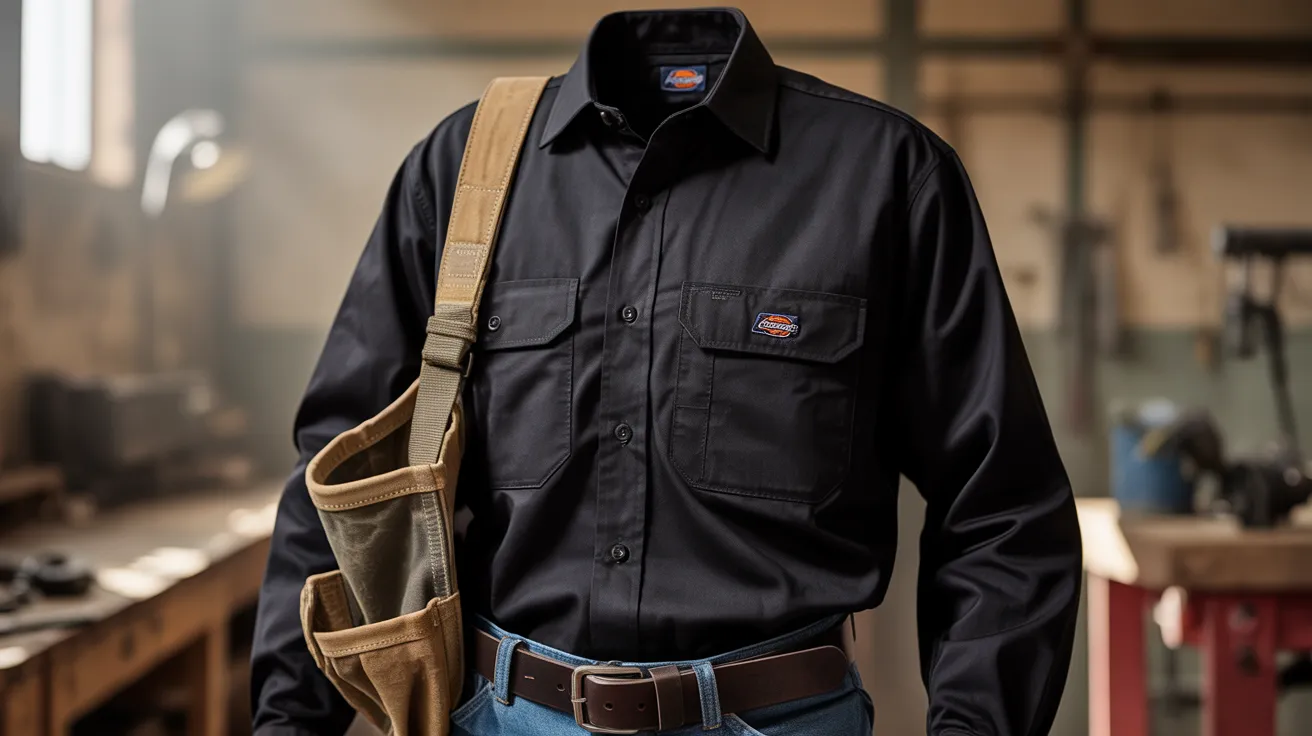
Authentic dickies accessories Focusing on Utility & Durability
Style Guide: Mastering Blend and Match Your Clothing for Simple Outfits
The notion of mixing and matching a wardrobe can change everyday outfits into elegant ensembles. By focusing on essential staples and unified color palettes, individuals can manage various occasions with ease. Comprehending the intricacies of pattern coordination and texture can boost a simple look. However, the key to truly achieving this skill lies in the details. What are the important factors that can make or break an outfit?
How to Seamlessly Mix and Match Your Clothing Collection
To easily combine a wardrobe, one must first understand the foundational elements of versatility and unity. Versatility involves selecting pieces that can serve multiple purposes, while cohesion ensures that these items work seamlessly together. A good sense for color schemes, designs, and fabrics is crucial. Neutral colors act as a base, allowing vibrant pieces to stand out without clashing.
Furthermore, comprehending measurements and contours can elevate outfit selections. For instance, matching structured items with softer fabrics generates balance. Accessories matter greatly as well; they can change an outfit from casual to polished.
To sum up, embracing a distinct aesthetic strengthens assurance, rendering it easier to combine pieces. By comprehending these principles, people can curate a wardrobe that offers boundless possibilities, allowing for creativity and expression while sustaining a cohesive look.
Fundamental Clothing Pieces for Uncomplicated Coordinating
When reflecting on fundamental clothing basics, important flexible garments act as the foundation for uncomplicated pairing. A thoughtfully selected color palette further enhances these primary pieces, allowing for seamless combinations. Together, these elements produce a cohesive and adaptable closet that eases daily styling choices.
Important Flexible Components
A carefully selected wardrobe focuses on key versatile pieces that readily adapt to diverse occasions and styles. Essential staples include a custom blazer, which enhances casual outfits and goes with formal attire. A classic white button-up shirt functions as a basic piece, pairing seamlessly with jeans, skirts, or trousers. Comfortable, well-fitting jeans are indispensable; they can change from day to night effortlessly. A little black dress offers endless styling possibilities, suitable for both casual and formal settings. Footwear options such as ankle boots or versatile flats offer both comfort and style, enabling easy transitions between various outfits. Finally, a timeless handbag can complete any look, making these pieces vital for creating seamless ensembles.
Color Palette Fundamentals
Color palettes are essential to a key component in establishing a cohesive wardrobe that allows effortless mixing and matching. A well-curated color palette typically includes a variety of base colors, accent colors, and harmonious shades. Neutrals such as black, white, gray, and beige form the backbone of your wardrobe, ensuring versatility and enduring style. Selecting a handful of pop colors, like navy or burgundy, strengthens visual depth without saturating the eye. Incorporating complementary colors makes it certain that pieces can be easily matched, creating a balanced style. It is best practice to pick a focused range that aligns with your taste, opening up creative expression while simplifying outfit selection. Ultimately, a strategic color palette converts a collection of clothing into a integrated wardrobe, enabling simple style.
Color Harmony Ideas for Fashionable Outfits
Effective color matching can elevate any outfit, as it allows people to express their unique style while creating a harmonious appearance. To achieve this, one should start with understanding the color wheel, identifying colors that complement each other that enhance each other. For instance, pairing warm tones like reds and oranges with cool colors such as blues and greens can create bold contrasts.
Muted hues, such as black, white, and beige, work as adaptable platforms that can anchor bolder tones. Additionally, using varying shades of the same color—known as monochromatic styling—can create dimension without overwhelming the look.
The 60-30-10 rule, where 60% of the outfit is a dominant color, 30% a alternate tone, and 10% an accent, can likewise deliver proportional color balance. Ultimately, testing diverse color selections will contribute to perfecting one's individual aesthetic while maintaining a polished appearance.
Layering Patterns and Textures for Visual Interest
Blending designs and materials can transform an everyday outfit into an bewitching ensemble. To realize a striking look, one must consider equilibrium and unity. Matching intense designs, such as lines or botanical prints, with quieter materials can generate visual appeal without taxing the eye. For instance, a floral blouse can be tastefully enhanced by a textured denim jacket, adding depth to the outfit.
Adding different textures, like knits, silks, or leathers, strengthens the general appearance. When blending patterns, it is wise to adhere to a consistent color scheme to maintain consistency. A polka dot skirt, as an example, can complement with a striped top if both share a shared color.
Also, adjusting the scale of designs—combining large prints with smaller ones—can provide aesthetic appeal and avoid mismatches. Ultimately, the secret lies in trial and error, enabling individual taste to come across while producing enchanting combinations.
How to Build for a Chic Look
Layering can amplify any outfit, turning it into a chic statement. The key to successful layering lies in maintaining proportions and textures. Start with a tailored base layer, such as a simple tank or turtleneck, which serves as a foundation. Next, incorporate a slightly looser read more mid-layer, like a button-up shirt or lightweight sweater, to add volume without bulk.
Surface elements including sleek blazers or oversized cardigans can enhance the look while providing warmth and sophistication. Decide on complementary colors and patterns to produce visual interest, ensuring that each layer elevates rather than battles with the others.
Accessories, like a stylish scarf or a eye-catching jacket, can further define the layered wardrobe. Ultimately, the method of layering transforms basic pieces into a integrated, refined look, giving the wearer to reveal personal style naturally.
Styling to Upgrade Your Appearance
Embellishments play a important role in improving any outfit. Bold accessories can transform a basic look into a striking impression, while versatile bag options provide both functionality and flair. Together, these components can elevate a look from mundane to extraordinary.
Statement Items Selection
A thoughtfully assembled wardrobe offers a solid foundation, but the ideal statement jewelry can transform an outfit from mediocre to extraordinary. Bold necklaces, oversized earrings, or striking cuffs act as main attractions, grabbing notice and enhancing personal style. When picking statement pieces, think about the equilibrium between the jewelry and the outfit; a bold necklace pairs well with a clean top, while intricate earrings can raise a sleek hairstyle. Furthermore, mixing textures and materials can create appealing contrasts. For those unsure about their choices, opting for one or two standout pieces can provide a elegant look without overshadowing the ensemble. Ultimately, statement jewelry not only reveals individuality but also adds a degree of class to any attire.
Multi-Purpose Bag Options
Bags are able to easily elevate any outfit, serving both practical and decorative functions. A well-chosen bag not only complements a style but also improves functionality. Multi-purpose options such as traditional totes, crossbody bags, and structured satchels fit to various occasions. Totes are best for daily errands, offering ample space without compromising style. Crossbody bags give a hands-free option, great for casual outings or travel. Structured satchels add a polished touch to work attire, making them suitable for professional environments. Additionally, adding neutral colors can guarantee that these bags effortlessly combine with several outfits. By picking the right bag, people can effortlessly shift from day to night, presenting a stylish sense of style while preserving practicality.
Experimenting With Your Style
As individuals seek to express their unique personalities through fashion, trying out varied looks becomes essential. To discover one's look, it is advisable to start by evaluating the current closet. Recognizing basic items can reveal personal preferences and guide future acquisitions. Mixing textures and patterns can also result in surprising yet attractive pairings, encouraging creativity in outfit choices.
Another powerful strategy is to draw inspiration from numerous origins, such as fashion blogs, social media, or street style. Experimenting with different silhouettes and tones can even more demonstrate what comes across as comfortable and true to yourself. A desire to escape one's usual comfort level is vital; integrating eye-catching accessories or signature clothing items can completely change an outfit dramatically.
To conclude, documenting ensembles via photos can help people monitor their transforming fashion taste. This reflective practice facilitates a deeper comprehension of what connects, ultimately fostering a more cohesive and personalized wardrobe.
Frequently Asked Questions
How Can I Determine My Personal Style Type?
To identify one's individual style classification, one should consider personal preferences, investigate style influences, assess wardrobe staples, and consider lifestyle needs. Experimenting with different looks can further clarify and develop individual style expressions over time.
What Should I Do With Clothes I Seldom Wear?
She recommended sorting through seldom-worn clothes, determining whether to give away, sell, or repurpose them. This procedure could declutter her closet, enhance orderliness, and allow her to concentrate on items that truly reflect her individual taste.
How often do I have to refresh My Closet?
Experts recommend updating a wardrobe seasonally, typically every three to six months. This ensures the collection remains fresh and aligned with current trends, personal style evolution, and changing lifestyle needs. Regular evaluation cultivates a adaptable, functional wardrobe.
Is It Possible to Layer Seasonal Clothing Throughout the Year?
Yes, weaving seasonal items throughout the year is workable. By assembling versatile pieces, one can craft distinctive combinations that respond to changing weather, own aesthetic, and occasions, amplifying both creativity and practicality in wardrobe selections.
What are several wallet-friendly choices to transform my wardrobe?
Budget-friendly ways to refresh a wardrobe include thrifting, swapping clothes with friends, DIY alterations, and accessorizing existing pieces.Furthermore, incorporating versatile basics can create fresh looks without major spending, maximizing creativity and style.